
How SKU Bucketing Transformed GSF’s Shopping Campaigns & Drove Efficient Growth.
Deep feed optimisation combined with proactive Search and Shopping strategy allowed us to dramatically improve efficiency — ensuring spend flowed to the most profitable product categories while maintaining control as competition intensified.


Summary
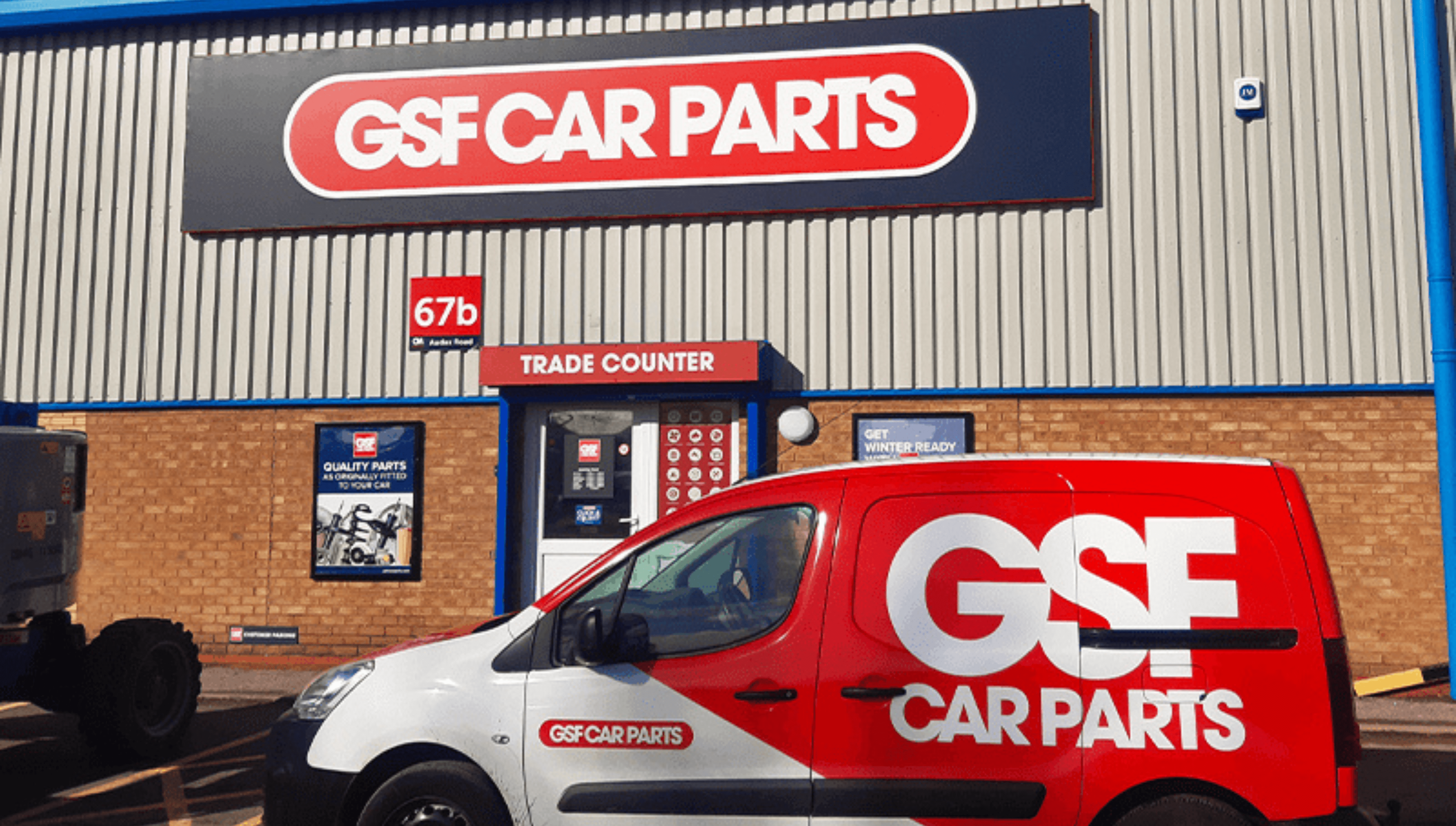
Client: GSF Car Parts
Sector: Automotive Parts Retail (300,000+ SKUs)
Start Date: February 2024
Focus of Case Study: Improving Performance Max efficiency through SKU Bucketing
Primary KPI: Spend-over-revenue efficiency
1. Situation: GSF Needed a Partner Focused on Innovation, Not Maintenance
When GSF partnered with us in mid-February 2024, one of their frustrations was the lack of innovation from their previous agency. The account was being “maintained”, not strategically driven — and GSF wanted a partner who would bring ideas, challenge assumptions, and introduce new methodologies that could materially improve performance.
Despite having a product catalogue of 300,000+ SKUs, their Google Ads Shopping setup was extremely basic. One Performance Max campaign containing all products with no segmentation, no SKU-level prioritisation and no alignment between spend and product profitability. They weren’t suffering from complexity — they were suffering from oversimplification.
2. The Problem: A Basic PMAX Structure Was Pouring Spend Into Unprofitable SKUs
Heavy Spend on Unprofitable SKUs
Around 40% of all PMAX spend was flowing into SKUs that weren’t just underperforming — they were consistently loss-making. This created significant structural inefficiency and inflated their cost of revenue.
Inefficient Spend-Over-Revenue Ratio
GSF closely track spend-over-revenue as a core efficiency metric. Because so much budget was going into unprofitable SKUs, this ratio was materially higher than it should have been. To unlock efficiency, profitability, and scalability, we needed to completely restructure how SKUs were handled inside PMAX.
3. The Solution: Implementing the SKU Bucketing Framework
At the end of March, we implemented our Performance SKU Bucketing Methodology, designed for retailers with large inventories. Every SKU was categorised based on real performance data into:
- Over-Index – strong performers, consistently above target
- Index – consistently profitable
- Near-Index – promising but low data volume
- Under-Index – unprofitable despite significant spend
- No-Index – discovery pool for future testing
We restructured the account so that:
- High-performing SKUs were isolated and prioritised
- Poor-performing SKUs stopped draining budget
- Mid-tier SKUs were given controlled testing environments
- Budget was strategically reallocated towards proven value drivers
The result - PMAX finally began spending where the business makes money.
4. The Impact: A Step-Change in Efficiency and Profit
Spend-Over-Revenue Efficiency
In April — the first full month after implementation — spend-over-revenue improved by 20%. This efficiency gain then held steady as spend was gradually scaled in the following months.
Profit Impact
Across the three months post-implementation, the business saw a 3% increase in gross profit, while spending £200,000 less on ads, resulting in a 9% increase in profit after ad spend. This is the definition of efficient growth, more profit, less spend.
5. Final Outcome: A More Efficient, More Profitable, More Scalable Account
The SKU Bucketing methodology delivered:
- Higher profit while spending significantly less on ads
- A more efficient acquisition strategy
- A structurally sound PMAX setup aligned with real margins and product economics
- A scalable foundation for future budget increases
This case demonstrates how a single strategic change — when applied correctly — can drive meaningful commercial impact, especially for retailers with large and diverse product catalogues.
Ready to grow with us?
Let’s Talk
